Inside the pouch: a study in materials
The pouch was not, originally, part of the plan. We had designed the patch as a standalone object, and the early renderings showed it sitting on a wooden surfac...
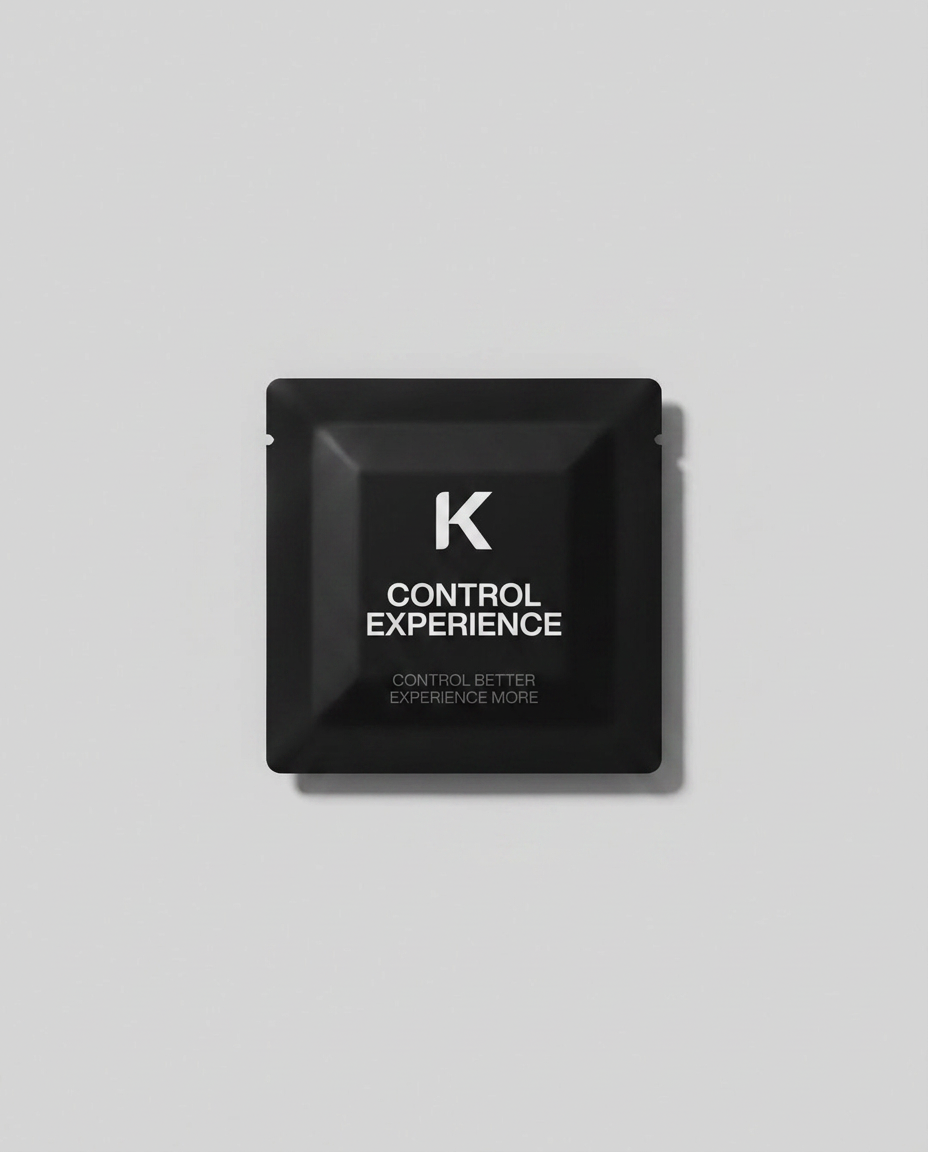
The pouch was not, originally, part of the plan. We had designed the patch as a standalone object, and the early renderings showed it sitting on a wooden surface, alone, in the kind of carefully styled emptiness that product photography demands. Then we started carrying prototypes in our own pockets, and within a week, every one of us had wrapped the patch in something — a folded handkerchief, a coin pouch, in one case a sock — to keep it from rattling against keys.
This is how most accessories are born: not from a market analysis, but from the small, daily indignities of using a product before it is finished. We added the pouch to the system because we were already, unofficially, designing one with whatever fabric we had on hand.
Why coated linen
The first material we tested was leather, because leather is what carry-goods are made of in most studios. It looked beautiful in renderings and felt wrong in the hand within a week. Leather develops a patina, but it also develops a smell, and it scuffs in ways that read as damage rather than character when the surrounding object is as restrained as the patch.
Coated linen solved problems we did not know we had. The base linen, woven in northern Italy, has a faint texture that catches the light without demanding attention. The coating, a thin polyurethane film applied at low temperature, makes the surface water-resistant without making it look plastic. Together they produce a fabric that feels engineered without feeling industrial — closer to the fabric of a high-end sneaker than to the fabric of a wallet.
Coated linen solved problems we did not know we had — water resistance without plastic, structure without stiffness, character without mess.
The hidden magnet
Inside the pouch, near the opening, there is a single neodymium magnet, four millimeters in diameter, sewn into a small fabric pocket. When you slip the patch inside, the magnet finds the steel back of the patch and holds it gently in place. There is no flap, no zipper, no closure of any kind. The pouch holds the patch the way a hand holds a smaller hand: by presence rather than by force.
We considered, and rejected, several more elaborate closures. A magnetic flap added a visible seam. A drawstring added a string. A zipper added cold metal where the warmth of the linen used to be. The hidden magnet was the only solution that preserved the silhouette of an empty pouch while still doing the work of a closed one.
Stitching, by hand
The pouches are stitched in a small workshop on the outskirts of Porto, by a team of four people who have been working with technical fabrics for two decades. The stitch count is twelve per centimeter, which is dense enough to look intentional from a distance and fine enough to disappear up close. The thread is tonal; on the bone-colored pouch, the thread is one shade darker than the linen, so it reads as a soft outline rather than a contrasting line.
We make about four hundred pouches a week. This is not enough to meet demand, and it is exactly enough to make sure that every pouch passes through the hands of someone who has seen four hundred others that week and can spot the one that is slightly off. Quality control, at this scale, is a person, not a process.
The everyday carry, disappeared
The goal of the pouch, like the goal of the patch, is to disappear. In the hand, it should feel like a thing your hand was already holding. In the pocket, it should not bulge. On the desk at the end of the day, alongside the keys and the phone, it should not ask for attention. It is a quiet container for a quiet object, and the only thing it is meant to announce is that you have, somewhere on your person, exactly one fewer thing to think about.
Comentarios (0)
Inicia sesión para comentar.
Aún no hay comentarios.