The bathroom ritual, reimagined
A bathroom counter is one of the few surfaces in a home that we visit twice a day, every day, for the entire length of our adult lives. And yet most of us treat...

A bathroom counter is one of the few surfaces in a home that we visit twice a day, every day, for the entire length of our adult lives. And yet most of us treat it as a kind of dumping ground — an accumulation of half-finished tubes, hotel soaps, and objects whose origins we can no longer remember. The morning ritual, performed against this backdrop, becomes a small act of archaeology before it can become anything else.
We wanted to understand what changed when the counter was given the same care as a writing desk. Over six weeks, we asked twenty people to clear their bathroom counter completely, then to add back only the objects they actually used in a given week. The results were unsurprising in volume — most counters lost about seventy percent of their inhabitants — but surprising in feeling. People reported sleeping better. People reported faster mornings. One person reported, without irony, that her marriage improved.
Geometry as tempo
A morning routine has a tempo. You reach for one thing, then another, then a third, in an order your body knows before your mind wakes up. When the objects on the counter are arranged in the right geometry, the tempo is smooth and the morning starts well. When the geometry is wrong — when the toothbrush is on the far side of the sink from the toothpaste, when the moisturizer hides behind a forest of unrelated bottles — the tempo stutters, and the day starts a half-step behind.
We began to think of bathroom design less as styling and more as choreography. The counter is a stage; the objects are dancers; the routine is a piece of music that repeats every morning of your life. Asking which object goes where is, in this framing, a serious question.
A small object on a marble counter can change the tempo of a morning. Geometry is not decoration; it is choreography.
The case for a single tray
The single most reliable intervention we found, across every participant, was the introduction of one shallow tray. The tray defined a perimeter. Inside the perimeter lived the four or five objects used daily. Outside the perimeter, the counter was clear. The tray did not need to be expensive — a flat ceramic dish from a thrift store performed as well as a hand-thrown vessel from a ceramicist in Kyoto. What mattered was the act of drawing a boundary.
Inside the boundary, the objects could be arranged with care. The toothbrush stood vertically in a small glass. The moisturizer faced label-out. The hand cream sat to the right, where the dominant hand would reach for it without looking. These are small dignities, but they accumulate. By the end of six weeks, every participant reported that they reached for the wrong object less often, and that the morning felt, in their own words, lighter.
Materials that survive water
A bathroom is a hostile environment for most beautiful materials. Wood warps. Leather stains. Untreated metal corrodes within months. The materials that thrive are the ones that have been engineered, not styled: glazed ceramic, anodized aluminum, sealed stone, glass. We came to appreciate these materials not for their luxury but for their endurance — the way they hold their shape and color across years of humidity and steam.
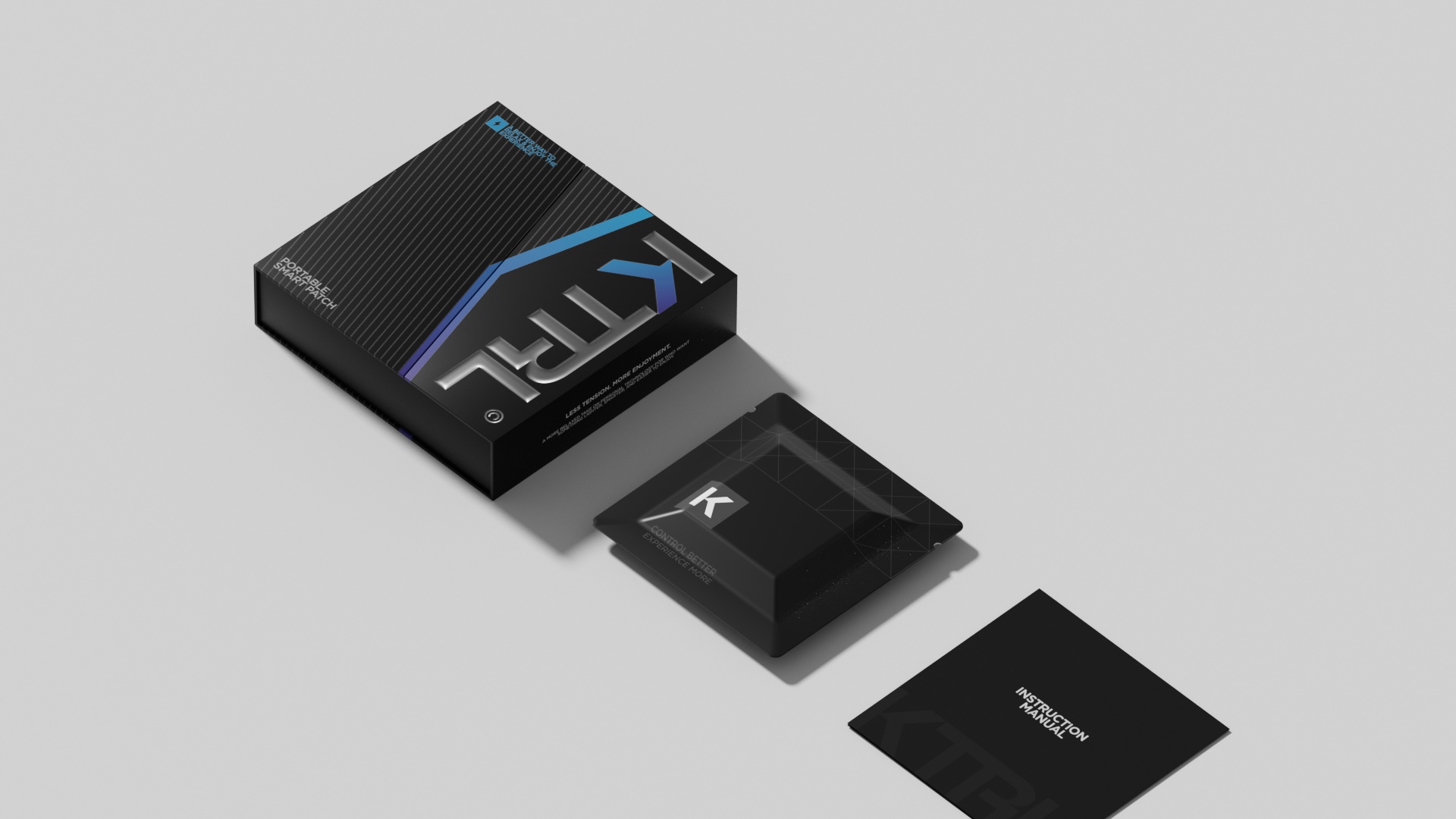
Coated linen, our material of choice for the patch itself, behaves surprisingly well in a humid room as long as it is allowed to dry between uses. We do not recommend leaving any object directly in the path of a shower spray, but a counter two feet from the sink, in a well-ventilated room, is a perfectly hospitable home.
The morning, reimagined
After six weeks, none of our participants returned their counters to the previous state. The cleared surface, the single tray, the four daily objects arranged with care — these became the new baseline. Adding a fifth object now required a deliberate decision. Removing one became easier than it had ever been before. The counter, once an accumulation, had become a composition.
This is the quiet promise of the bathroom ritual: that two minutes of care, repeated every morning of a life, can compound into something that feels less like a chore and more like a small daily act of self-respect. The geometry is the gift. The tempo is the gift. The empty counter, waiting for tomorrow, is the gift.
Comentarios (0)
Inicia sesión para comentar.
Aún no hay comentarios.