Stacked: a small philosophy of repetition
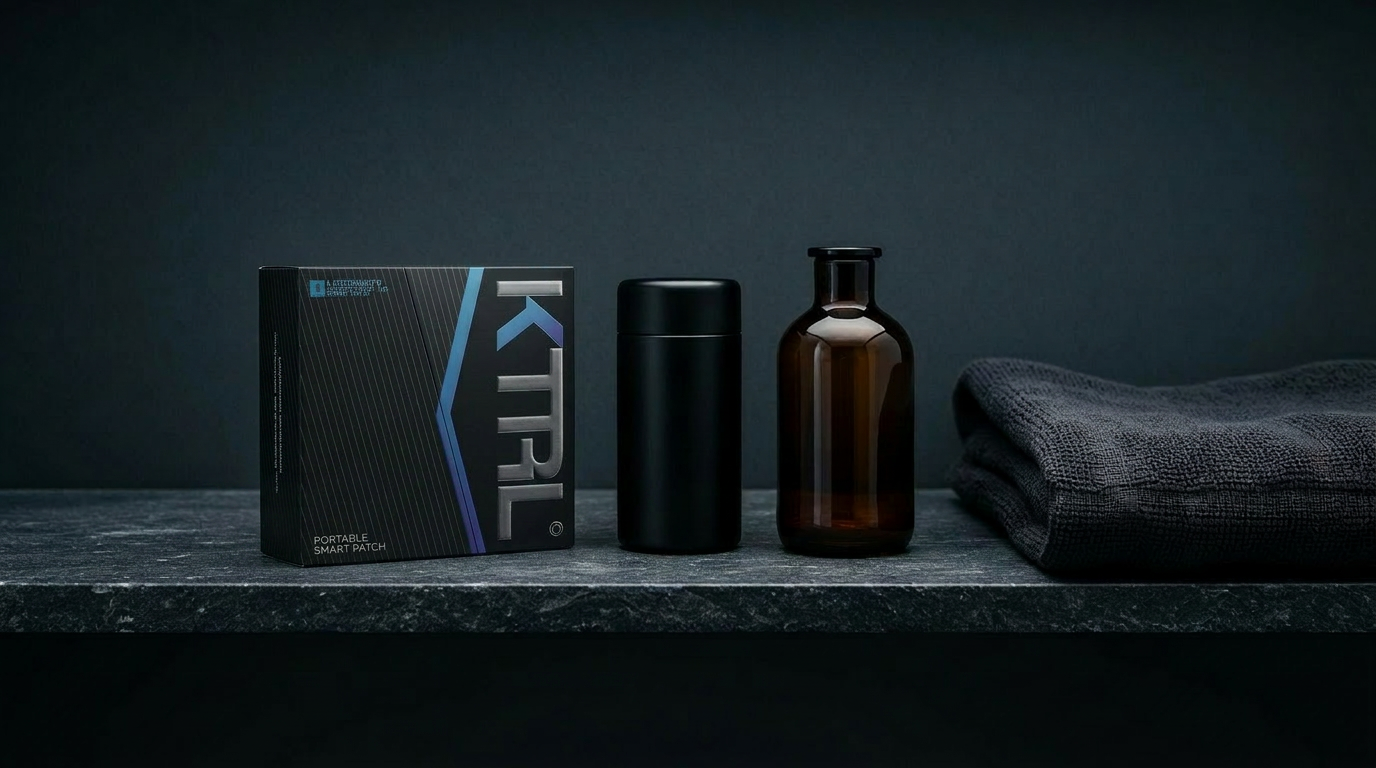
Three boxes on a shelf. That is the photograph that has been sitting on our studio wall for eighteen months, and that has, more than any single design decision,...
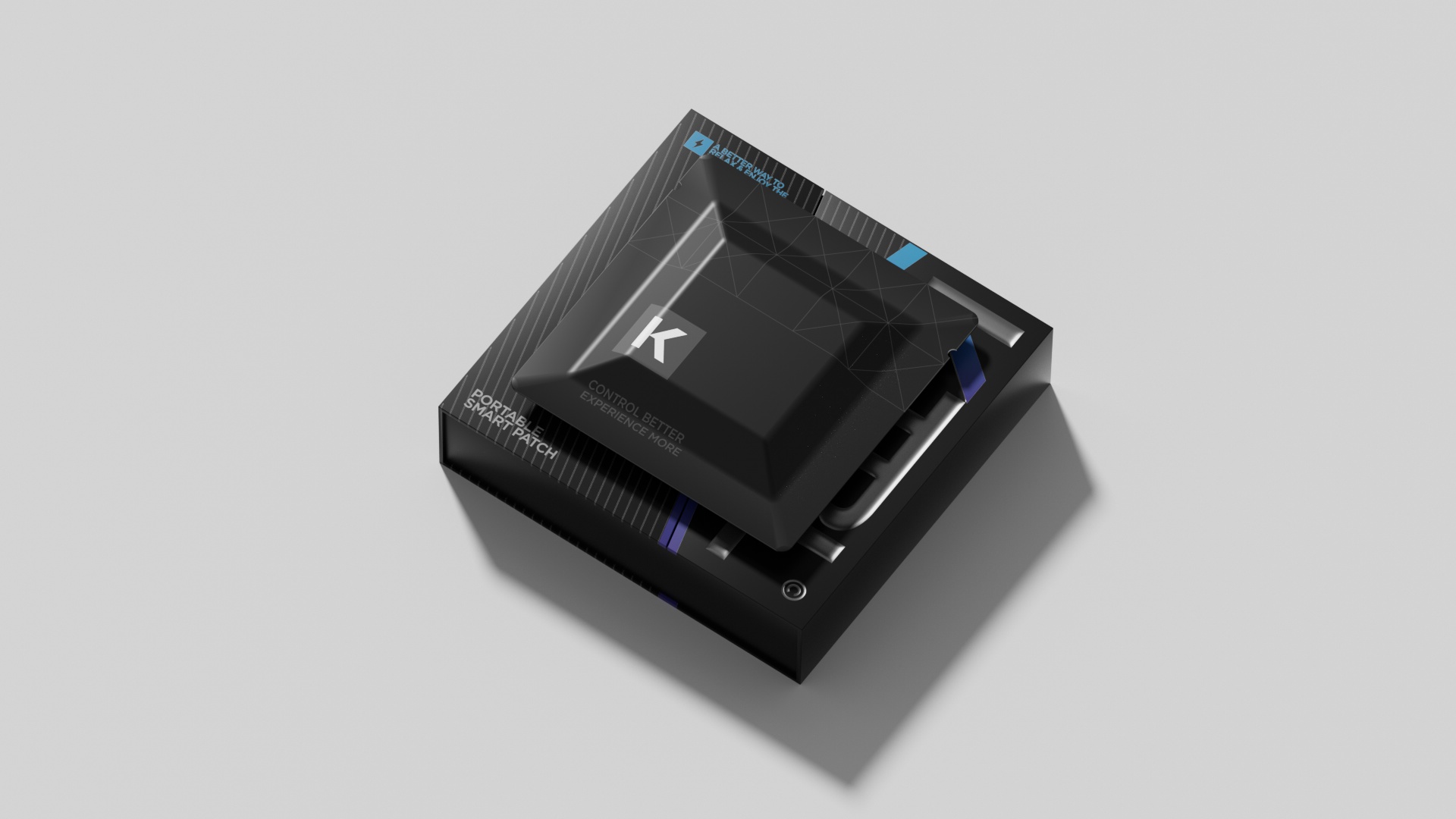
Three boxes on a shelf. That is the photograph that has been sitting on our studio wall for eighteen months, and that has, more than any single design decision, shaped the way we think about ownership. Three identical boxes, stacked, casting a single shadow against a pale wall.
There is a small philosophy hidden in that image, and this entry is an attempt to draw it out.
The comfort of the same thing twice
Most of the objects in a typical home are unique. There is exactly one of each book, one of each mug, one of each lamp. This is, on the surface, a celebration of variety, and variety is supposed to be good. But it is also, when you look closely, a low background hum of decision-making. Which mug today? Which lamp tonight? Which book to take on the trip?
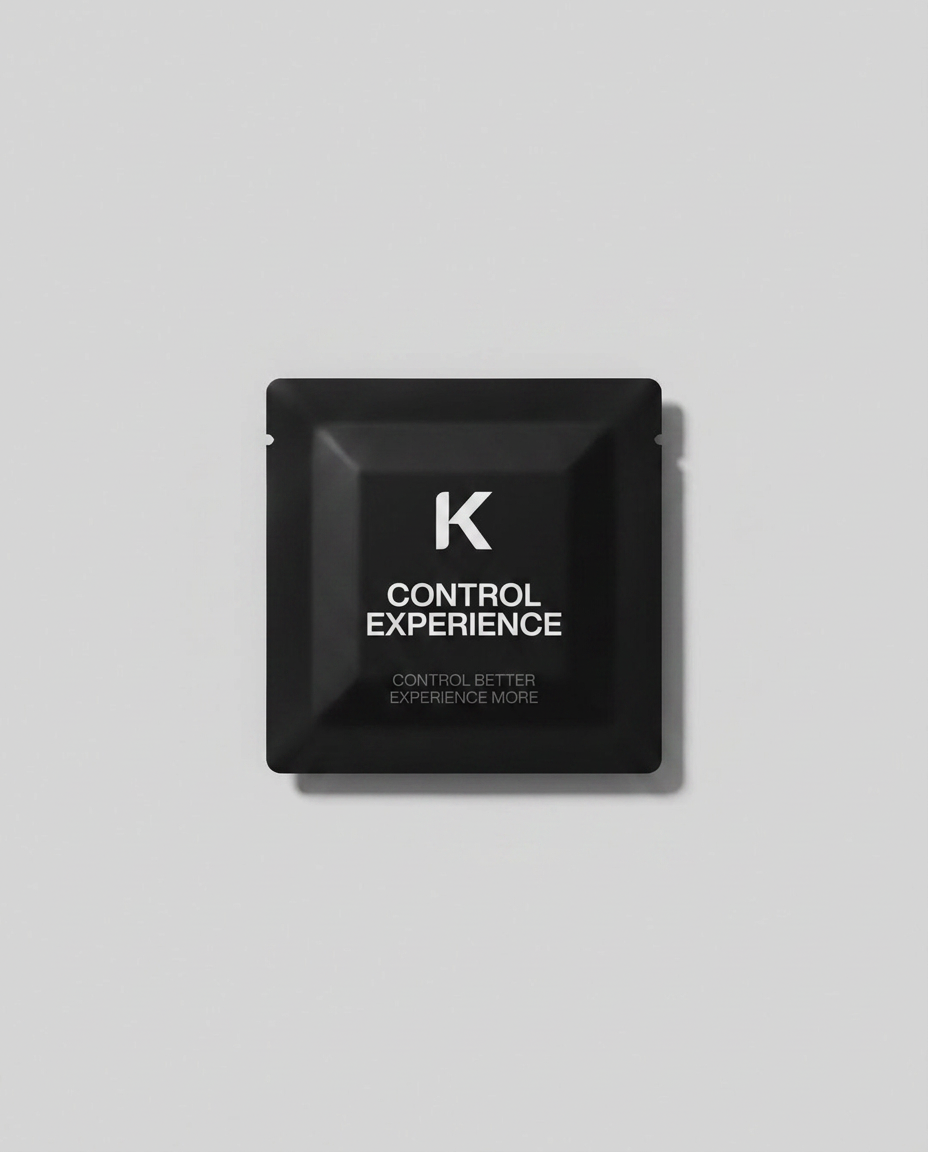
The same thing twice removes the hum. The second mug, identical to the first, means there is no decision to be made when one is in the dishwasher. The second patch, identical to the first, means there is no negotiation about whether the bedroom or the bathroom gets the object. The same thing, three times over, on a shelf, means that the shelf has become a single visual unit rather than a collection of competing demands.
Repetition as a form of trust
Buying the same thing twice is also, in a quiet way, a vote of confidence. It says: I tried this, and it worked, and I want more of it. It is the opposite of the modern consumer instinct, which is always to try something new, to chase the slightly improved version, to hedge against missing out on the next thing.
We have noticed, in our own studio, that the objects we trust the most are the ones we have bought in multiples. The pen we have on three desks. The notebook we order in stacks of ten. The chair we have in two rooms. These are not extravagances. They are small commitments to a decision that has already been made, and to the freedom of not having to make it again.
The objects we trust the most are the ones we have bought in multiples — small commitments to a decision already made.
Stacks, lines, grids
There is also a visual argument. Three boxes on a shelf, stacked vertically, are a column. Three boxes in a line are a horizon. Nine boxes in a grid are a wall. None of these are arrangements you can make with three different objects, no matter how beautiful each one is individually. Repetition unlocks geometries that variety simply cannot reach.
This is why the photographs of factories, of warehouses, of shipping containers, are so often beautiful in a way that surprises us. They are beautiful because they are repetitive. The eye, given a single shape repeated, finds rhythm, and rhythm is a form of beauty that the eye does not have to work to perceive.
Owning fewer kinds of more
The shelf in our studio has three boxes on it because three was the number we landed on after a long internal debate. Two felt incidental. Four felt excessive. Three was a composition. The boxes contain spare patches, in three different colorways, ready to be sent to whoever in the studio needs one next.
The deeper philosophy, though, is not about the number. It is about owning fewer kinds of more. Fewer different mugs, more of the same one. Fewer different shirts, more of the favorite. Fewer different objects on the nightstand, more of the one that works. This is not minimalism, exactly — minimalism would tell you to own only one. It is something quieter and more pragmatic: own as many as you actually use, of as few different things as you can manage.
The shelf, the home, the life
Three boxes on a shelf is a small photograph. But it is also, we have come to believe, a small instruction. Find the things that work. Buy them again. Stack them. Live inside the rhythm they create. The home will get quieter. The decisions will get fewer. The shelf, eventually, will look exactly like the photograph on the wall, and the photograph will no longer be aspirational. It will be a description.
Comentarios (0)
Inicia sesión para comentar.
Aún no hay comentarios.